Choosing Linen for Bedding: A Practical Buyer’s Guide
An editorial exploration into the fiber, weave, and care that shape the comfort, longevity, and sustainability of linen bedding. This guide is written with the curiosity of a traveler surveying a textile landscape: noting origins, tracing craft, and translating fabric science into everyday decision-making for homeowners and hospitality professionals alike.
Linen: A Brief Natural History for the Bedroom
Linen, derived from the flax plant, has traveled through history as a textile of resilience and breathability. Its hollow-fiber structure channels air, which helps regulate temperature—cooling in warmer nights and offering a gentle warmth when temperatures dip. Unlike cotton, linen’s structure invites a lived-in texture that softens with use, while retaining a distinct crispness that many sleepers find comforting. In bedding, these properties translate into a sleep surface that feels cooler in summer and more temperature-stable across the seasons.
For the discerning buyer, understanding a few core concepts—fiber origin, weave weight, and finish—unlocks a durable, comfortable purchase. The flax used in European linen is often grown under strict agricultural standards, and many linen products in the modern market carry certifications such as GOTS (Global Organic Textile Standard) to attest to organic farming and responsible processing. The result is a fabric that aligns with sustainable design goals while delivering enduring performance.
In the following sections we’ll translate high-level textile science into concrete buying decisions, and we’ll illuminate how specific product lines exemplify best practices in linen bedding.
Key Factors to Consider When Selecting Linen Bedding
Fiber Origin and Certification
The provenance of flax matters. Linen sourced from flax grown in France and woven in Portugal, for example, carries a narrative of cross-border craftsmanship. Certifications like GOTS reassure that fibers have been farmed with environmental and social standards in mind, while ensuring that processing and dyeing meet strict guidelines for safety and sustainability.
Buyers should look for labeling that reveals where the flax was grown, where the linen was spun, and where it was woven. A well-documented supply chain supports not only ethics but also consistency in texture, color, and performance across seasons and washes.
Weave, Weight, and Feel
Linen comes in a spectrum of weights and weaves. A light-to-medium weight linen—the typical choice for sheets and duvet covers—offers crispness and a breathable airiness, while heavier linen delivers a more substantial drape and durability. The “feel” of linen can range from a crisp, almost new-hand to a softer, more relaxed hand that develops with washing and usage.
Finishes vary from stone-washed to garment-washed to plain-linen finishes. Stone-washing, in particular, tends to yield a softer hand more quickly and can contribute to a relaxed drape that modern interiors often crave.
Care and Longevity: Maximizing Softness and Structural Integrity
Linen care is a balance between preserving fiber integrity and cultivating that natural softness that linen bedding promises. The general rule is: wash cold or warm, use mild detergents, avoid harsh bleaches, and consider line-drying when possible. If machine drying is used, select a low heat and remove promptly to minimize extreme wrinkling and stress on the fibers.
- Pre-washing and stone-washing are common to reduce stiffness and improve hand.
- Avoid fabric softeners when possible; linen benefits from a light approach that preserves the natural fiber structure.
- Ironing is optional; many prefer a slightly crinkled, relaxed look that is part of linen’s character.
The right finish, like a plant-based softener or a garment-washed process, can enhance comfort without compromising breathability. Always follow the care instructions supplied by the manufacturer, as these reflect specific fiber blends, finishes, and the weaving process.
Three Distinct Linen Bedding Lines: A Practical Snapshot
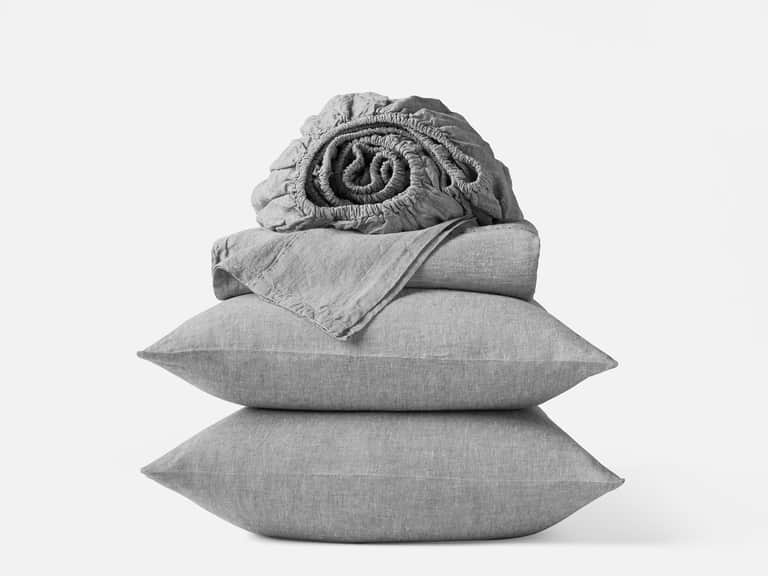
Organic Relaxed Linen Sheet Set
GOTS-certified 100% organic flax linen, flax grown in France, woven in Portugal
This sheet set offers a breathable, temperature-regulating surface that softens with every wash. It features a 15" deep-pocket fitted sheet with full elastic and cuffs finished with a plant-based softener. A practical choice for all-season comfort in homes and hospitality alike.
Key takeaway: Softness grows over time while maintaining breathability and structure.
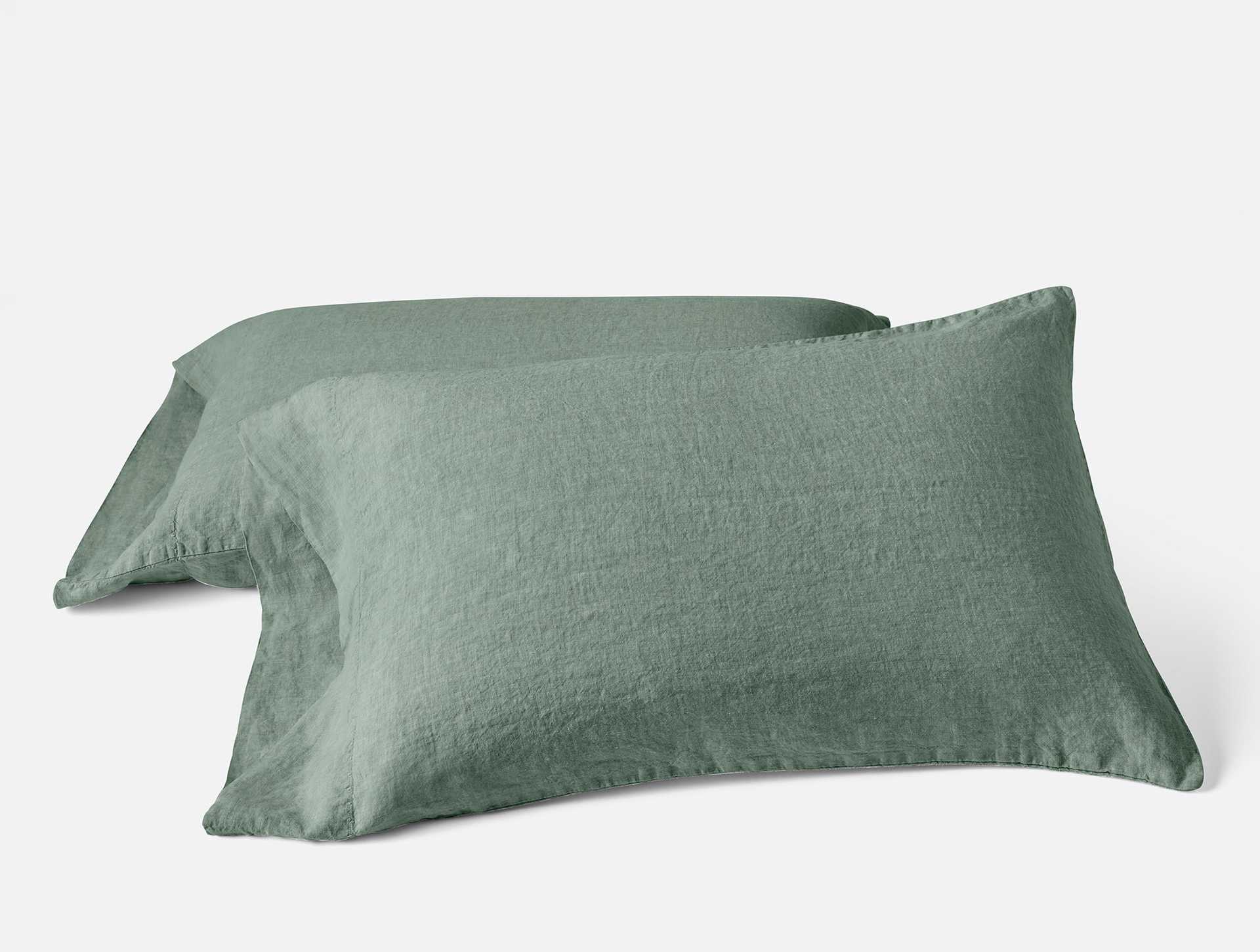
Downtown Company Layla Linen Duvet Cover
100% flax linen, stone-washed, hemstitch detail, flange; Made in Portugal
The Layla duvet cover is renowned for its relaxed yet tailored silhouette. Its stone-washed finish enhances softness and breathability, while a clean hemstitch and flange provide quiet, sophisticated detailing. It coordinates seamlessly with Layla linen sheets for a cohesive bedding ensemble that stays cool and comfortable.
Key takeaway: A linen cover that pairs durability with easy-laundering and timeless style.
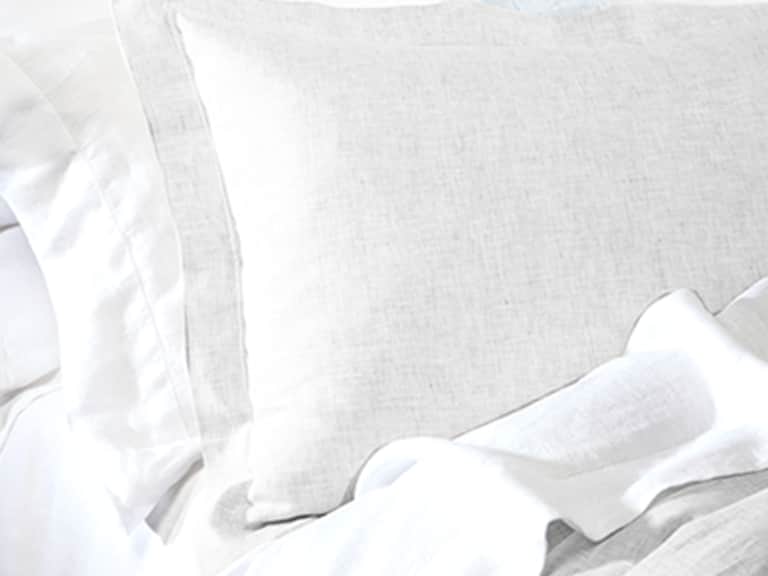
Organic Relaxed Linen Decorative Pillow Cover
100% organic linen; European flax; relaxed hand
Decorative textiles in linen extend the narrative of texture within a room, offering tactile contrast and a calm visual rhythm. This cover showcases linen’s relaxed hand while remaining easy to care for, a practical choice for mixing textures in retreat spaces.
A Practical Buyer’s Guide to Specific Scenarios
-
Scenario A: The Homeowner Seeking All-Season Comfort
For a bedroom that experiences shifting climates, Organic Relaxed Linen Sheet Sets provide year-round adaptability. The 15" deep-pocket fitted sheet and natural temperature regulation work well in warm summers and cooler nights, particularly when paired with a duvet cover like the Layla Linen Duvet Cover for a cohesive, breathable bed ensemble.
-
Scenario B: A Hospitality Wardrobe Emphasizing Breathability
Hotels and guest spaces benefit from linen bedding designed for durability and wash-fastness. Stone-washed linen duvet covers and sheets resist pilling and develop a relaxed, inviting hand after multiple launderings. The Layla duvet cover provides a timeless aesthetic that remains practical in daily turnover cycles.
-
Scenario C: A Design Enthusiast Exploring Textural Layering
Consider combining Organic Relaxed Linen Decorative Pillow Covers with linen pillow shams and white linen sheets to create a layered, tonal effect. The use of texture, light color, and the natural drape of linen contributes to a calm, sophisticated sleep space.
Glossary: Essential Terms for Linen Bedding
- GOTS: Global Organic Textile Standard. A global benchmark for organic fiber production, processing, and labeling.
- Stone-washed: A finishing process that softens linen by abrasion, producing a relaxed hand and authentic texture.
- Deep-pocket fitted sheet: A fitted sheet with an extended pocket depth to fit thicker mattresses securely.
- Pick stitching: A subtle decorative stitch detail often used on cuffs or edges to convey craftsmanship and durability.
Profiles of Three Key Individuals in Linen Craft (Across Time)
Ancient Mesopotamian Weaver, ca. 2000 BCE
Early textile traditions illuminate linen’s antiquity; flax fibers appear in archeological records across ancient civilizations. While specific names from antiquity are scarce, the role of the master weaver—crafting warp and weft with flax—shaped linen’s early reputation for durability and cool comfort. Their work laid the groundwork for linen’s enduring role in bedding and hospitality textiles.
European Linen Millwright, 17th–18th Century
The era of the linen mills in Europe epitomized precision and scale. Millwrights managed looms and processes that produced linen with dependable consistency. Their innovations—gedams of warp and weft, improved loom mechanics, and quality-control checklists—helped standardize linen textiles for household bedding and luxury dress textiles alike.
Contemporary Textile Visionaries, 21st Century
Modern linen designers and manufacturers—rooted in European flax supply chains—translate ancient know-how into sustainable, consumer-friendly bedding. Figures like the founders of GOTS-certified brands champion organic farming and ethical processing, while artisans in Portugal, Belgium, and France advance weave finishes and garment washes that define today’s linen aesthetic. Their work informs the linen bedding you select today, ensuring comfort, longevity, and a reduced environmental footprint.
Product Spotlight: Layla Linen Duvet Cover
The Layla Linen Duvet Cover embodies the philosophy of Linen as an everyday luxury—stone-washed for softness, breathable by design, and finished with a hemstitch along a tailored flange for a quiet, refined silhouette. Woven from 100% flax linen and produced in Portugal by mills with a long heritage in textile craft, Layla stands as a benchmark for how linen can be both durable and delightfully comfortable from first wash to many seasons ahead.
Pair it with Layla Linen sheets and shams to create a cohesive, breathable sleep environment that remains visually calm and technically reliable. The texture and drape of Layla lend themselves to layering with other natural fibers to achieve a balanced room aesthetic that is both restorative and elegant.
Layla Linen Duvet Cover
100% flax linen • Stone-washed • Hemstitch & Flange • Made in Portugal
Price: $535.00
“A duvet cover that wears with you—the softer it becomes, the more it breathes.”
Images displayed are representative of product styling and finish. For a tactile sense of Layla’s feel, seek textiles that emphasize a garment-washed effect and a relaxed yet refined silhouette.
Conclusion: Making Linen Bedding Choices that Endure
Linen bedding offers a unique blend of breathability, temperature regulation, and a refined, natural aesthetic. By understanding fiber origin, weave and finish, and care protocols, you can select linen bedding that not only meets daily comfort needs but also aligns with sustainable and ethical design principles. The three life narratives of linen—from ancient weavers to contemporary European mills—demonstrate how linen endures: it softens with use, maintains a crisp, breathable surface, and rewards care with long-lasting performance.
As you curate a bed that feels like a retreat, consider the Linen Lines you purchase as a dialogue—between fabric science and daily living, between heritage and modern comfort, and between the quiet luxury of texture and the clarity of its care routine.