Blankets and quilts add warmth, softness, and a finished layer to everyday bedding. Their weight and construction influence how they feel and function, from lightweight coverage in mild conditions to additional insulation on cooler nights. Understanding these differences helps coordinate blankets and quilts with sheets, pillows, and other bedroom essentials.
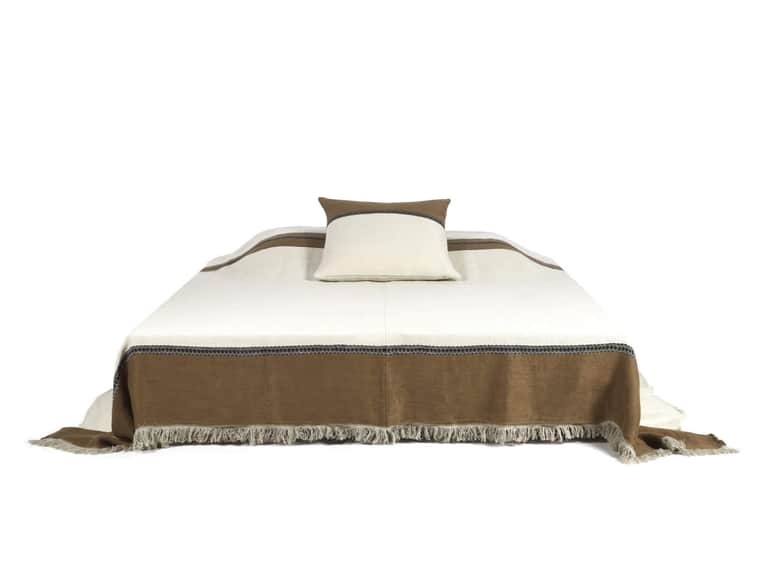
A coverlet is typically a lighter bed covering designed to sit over sheets or a duvet, offering a neat, layered appearance without the bulk of a thick comforter. The Etienne Coverlet is an example of this bedding layer, providing a versatile option for added surface coverage and a more complete bed arrangement.
Coverlets can serve practical purposes throughout the year: they offer light warmth, help protect underlying bedding during daily use, and make it easy to adjust layers as room temperatures change. The Etienne Coverlet can be considered alongside duvet covers and sheets when planning a flexible bedding setup for different seasons and personal comfort preferences.
When choosing a blanket or quilt, consider its dimensions, thickness, texture, care instructions, and compatibility with the bed. These characteristics affect coverage, ease of layering, and maintenance. A coverlet such as the Etienne Coverlet can complement pillows and sheets while adding a distinct top layer without requiring the heavier insulation of a quilt.
Blankets and quilts are primarily used in bedrooms, but lightweight bed coverings may also provide comfortable coverage while resting elsewhere at home. Coordinating bedding layers by function can support a tidy, adaptable sleep space. Although bath linens serve a different purpose, they share the broader role of providing everyday comfort and practical textile coverage.
 Bedding